
After three decades of working on plumbing systems throughout Castle Rock, I’ve noticed something strange: the principles behind a good website are basically the same ones behind a good plumbing system. Both demand real planning. Both need to move things efficiently. Both fall apart the moment demand spikes and nobody planned for it. Here’s what solving hundreds of these problems has taught me.
The Foundation: Structure Matters
A website needs solid hosting and a backend that doesn’t buckle under pressure. Your home’s plumbing needs the same kind of foundation, and around here that foundation has to deal with expansive clay soil that shifts every time moisture levels change. I’ve walked into gorgeous homes with plumbing that was doomed from day one, not because anyone was careless, but because the groundwork got skipped.
Every plumbing job that actually holds up starts the same way: map the supply lines, the drains, the vent stacks, before a single pipe goes in. It’s no different from wireframing a site before touching a line of code. Skip that step and you’ll pay for it later, usually at the worst possible time. If you want people who take that planning phase seriously, Castle Rock Plumber connects you with folks who do.
Navigation and Flow: The User Experience
Web designers spend a lot of energy on how someone moves through a site. Plumbers think about water the same way. Every fixture needs pressure, needs to drain properly, and shouldn’t make anyone wait forever for hot water. When I’m diagnosing a system, I’m really just auditing the experience of using your house.
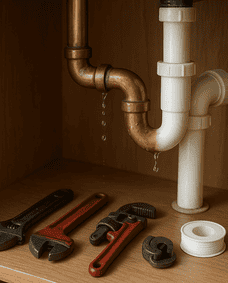
Key Flow Principles
A few things matter more than people realize. Hot water lines should take the shortest reasonable route to the fixtures you actually use, the plumbing version of not burying your best content five clicks deep. Multiple fixtures running at once shouldn’t tank your pressure, the same way a site shouldn’t buckle under a traffic spike. And drain lines need real slope and venting, because a system without logical structure fails no matter how good it looks on paper.
Load Capacity: Planning for Peak Demand
A website goes down when too many people hit it at once. Plumbing fails the same way, usually on a Sunday morning when three showers, a dishwasher, and someone flushing a toilet all happen inside the same five minutes.
I’ve upgraded more old systems than I can count where a growing family simply outgrew what the original plumbing was ever designed to handle. The fix comes down to calculating peak demand and sizing pipes for it: the exact same logic as capacity planning for a server. Plan for the worst day, not the average one.
Maintenance and Updates: Keeping Systems Current
Websites need patches and refreshes. Plumbing needs the same kind of ongoing attention. I tell homeowners here to get an inspection every year, because hard water and wide temperature swings wear down fixtures and water heaters faster than people expect.
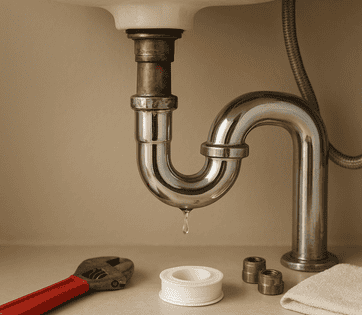
Regular Maintenance Tasks
That means flushing sediment out of the water heater, checking supply lines for corrosion, testing pressure relief valves, and catching the hidden leaks that quietly drain money before anyone notices.
Scalability: Building for Future Needs
Good web design leaves room to grow. So does good plumbing. Whenever I rough-in a new build or a remodel around here, I’m already thinking about what gets added later. Putting a bathroom in down the road is a lot easier when the infrastructure was positioned to allow for it from the start.
That kind of forward planning has saved my clients real money more than once. An extra shutoff valve, a main line one size larger than strictly necessary: these cost almost nothing up front but buy a lot of flexibility later. For homes with fire suppression systems built in, groups like the NFSA publish solid guidelines on water supply sizing that shape the whole design.
The Bottom Line
Building a website and building a plumbing system come down to the same things in the end: thoughtful design, decent materials, and someone who actually knows what they’re doing. Both only work when the pieces are built to function together, not just in isolation. After fixing hundreds of these problems throughout the region, I can tell you the homes with the fewest issues are always the ones where somebody planned properly before the first pipe went in.
Your plumbing is invisible infrastructure, same as the code behind a website you never think about until it breaks.
